
Engineered Country Oak Flooring Planks
Our Country Range engineered oak flooring features wide 220mm planks, heavily brushed to enhance the natural grain and finished with a striking black filler to highlight every detail of the timber.
Engineered Country Oak Flooring
The Country Collection has been carefully developed to showcase the raw beauty of oak through a deeply textured, heavily brushed surface. This process removes the softer grain, leaving a pronounced, tactile finish that brings out the true character of the wood. Combined with a contrasting black filler, every knot, crack and natural feature is accentuated, creating a bold and distinctive look inspired by traditional and antique flooring.
Influenced by our Antique and Bandsawn collections, this range offers a rustic yet refined aesthetic, perfect for adding depth and personality to any space. The wide 220mm planks further enhance the visual impact, giving rooms a spacious, high-end feel while allowing the unique detailing of each board to stand out.
Constructed using a premium oak wear layer bonded to a stable multi-ply core, the Country Range provides excellent durability and structural stability. This makes it suitable for a variety of settings, including use over underfloor heating. Available in a selection of bespoke finishes, the range can be tailored to achieve anything from soft, natural tones to darker, more dramatic interiors.
All our Oak boards come in long average lengths (80% of planks 1900mm plus) and are available in our full range of widths and bespoke finishes.
Engineered Oak Country Collection Plank Size & Price Chart
15mm Country Planks
The 15mm Country Range flooring offers a practical and versatile solution without compromising on style. Each plank is heavily brushed to create a deeply textured surface, with black filler used to emphasise the natural knots and grain patterns, delivering a truly authentic, rustic appearance.
Its engineered construction ensures excellent stability, making it ideal for use over underfloor heating or where a reduced floor height is required. The 220mm wide boards provide a premium look, perfect for both residential and commercial environments.
Thickness | Width | Length | Grade | T&G | Moisture Content | Retail Price |
|---|---|---|---|---|---|---|
15mm | 220mm | 2200mm | Country | 4 Sides | 8% +/- 2% | £85.50 sqm* |
20mm Country Planks
The 20mm Country Range flooring is designed for projects that demand a more substantial, hard-wearing floor. Featuring the same heavily brushed finish and contrasting black filler, this option offers maximum visual impact alongside enhanced durability.
With its thicker construction and generous oak wear layer, the 20mm boards provide a solid feel underfoot and are well suited to high-traffic areas. They can also be installed using more traditional fixing methods in suitable conditions, offering added flexibility. Combined with the wide 220mm planks, this creates a truly premium floor with a bold, character-rich finish.
Thickness | Width | Length | Grade | T&G | Moisture Content | Retail Price |
|---|---|---|---|---|---|---|
20mm | 220mm | 2200mm | Country | 4 Sides | 8% +/- 2% | £100.50 sqm* |
* Please note, all prices are excluding VAT and delivery
Engineered Wood Flooring Maintenance Guide
Wood is a naturally hydroscopic material and will always be prone to movement depending on climatic conditions. We strongly advise that you read and adhere to our maintenance instructions.
FINISHES

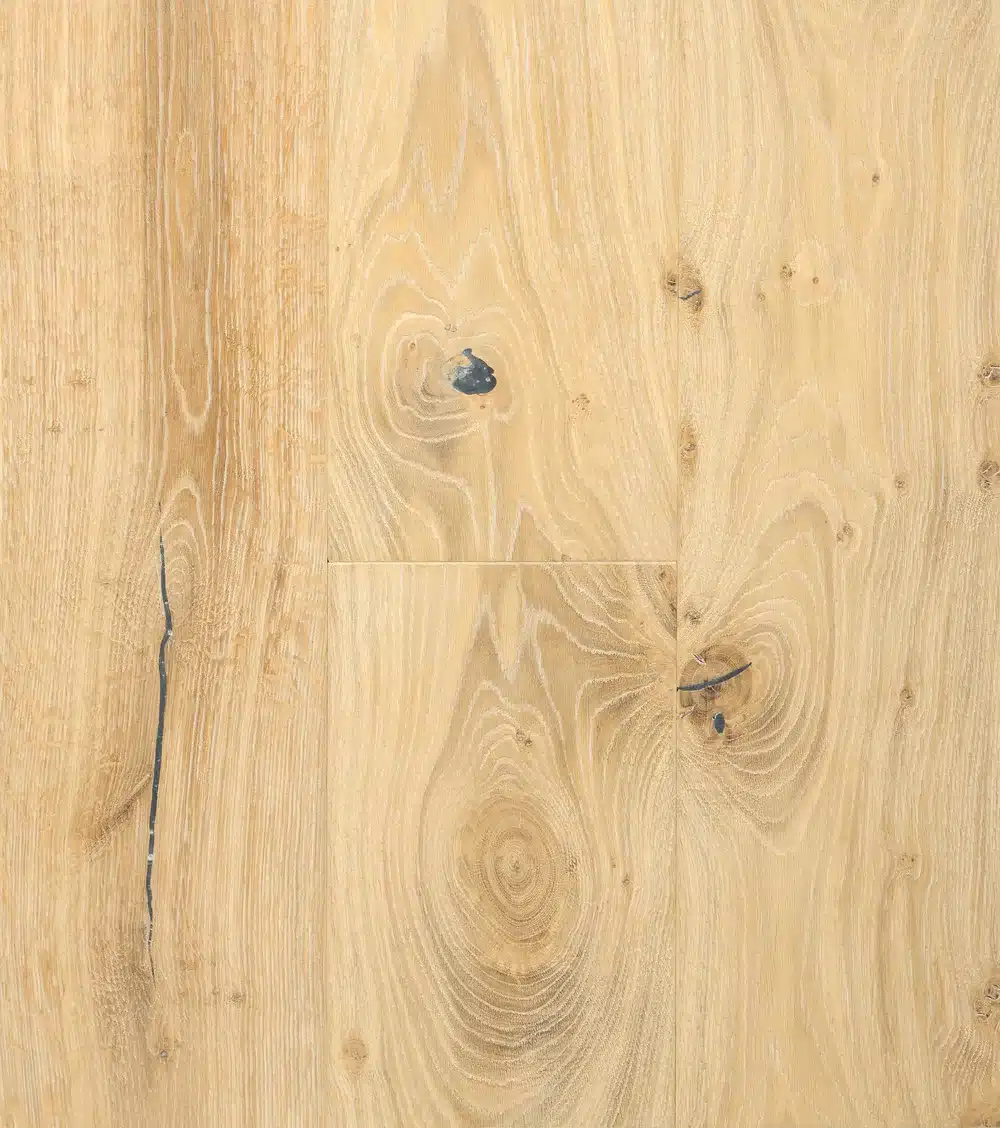
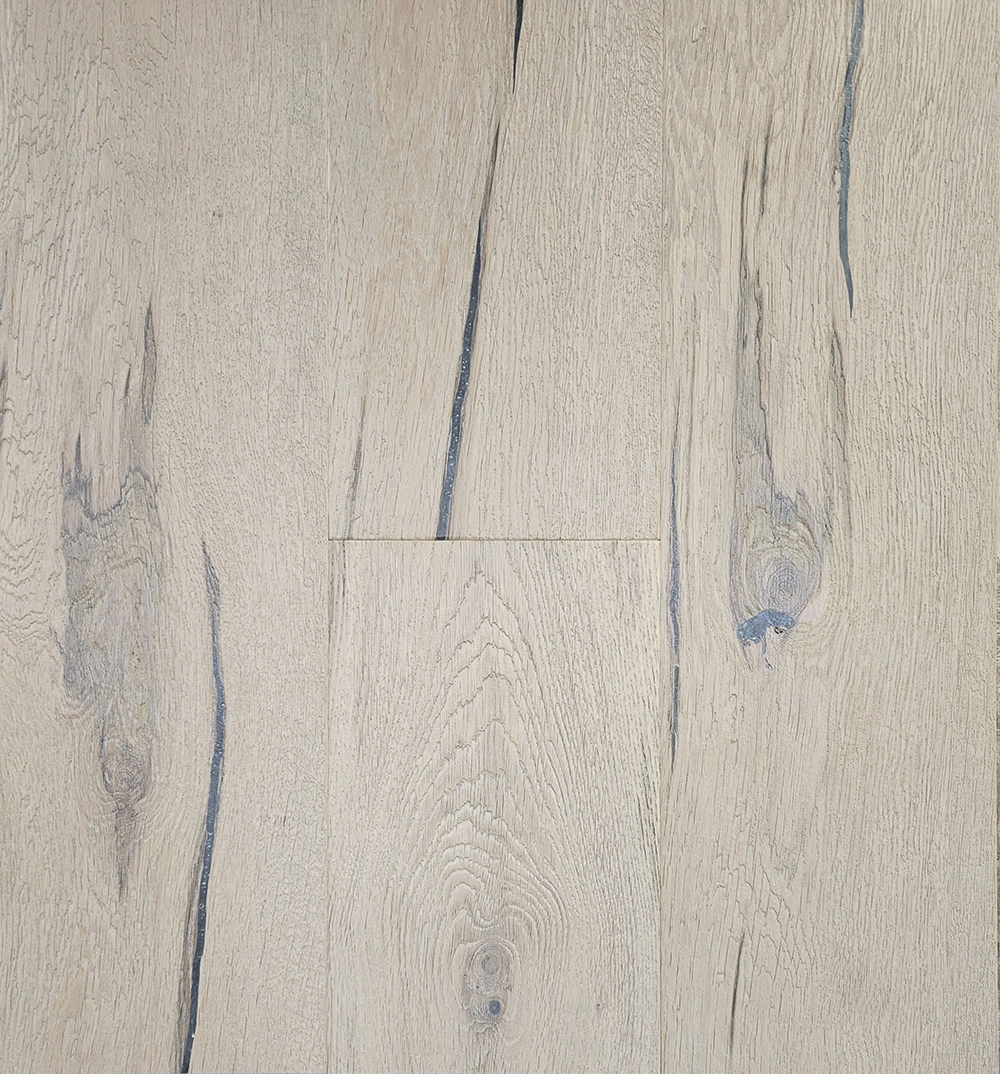
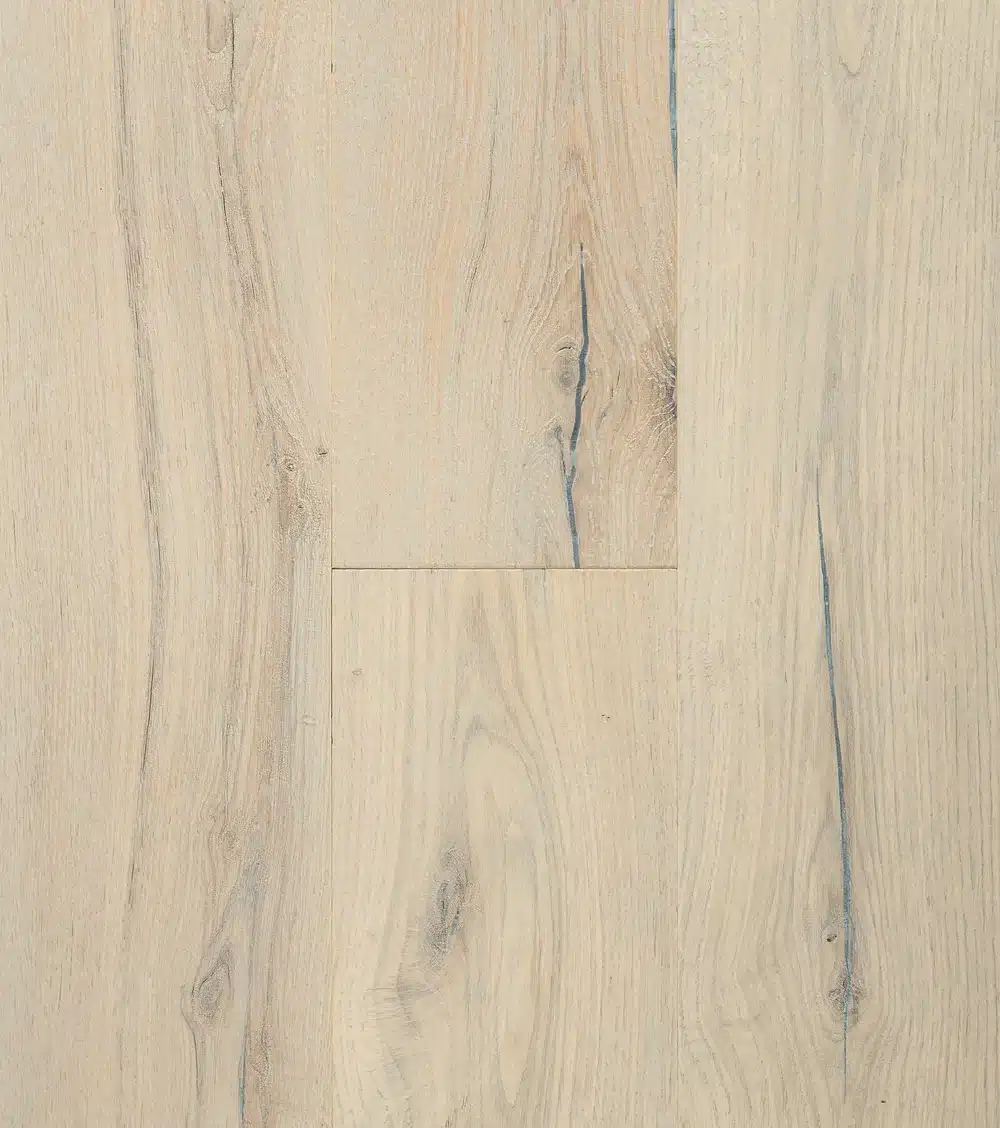
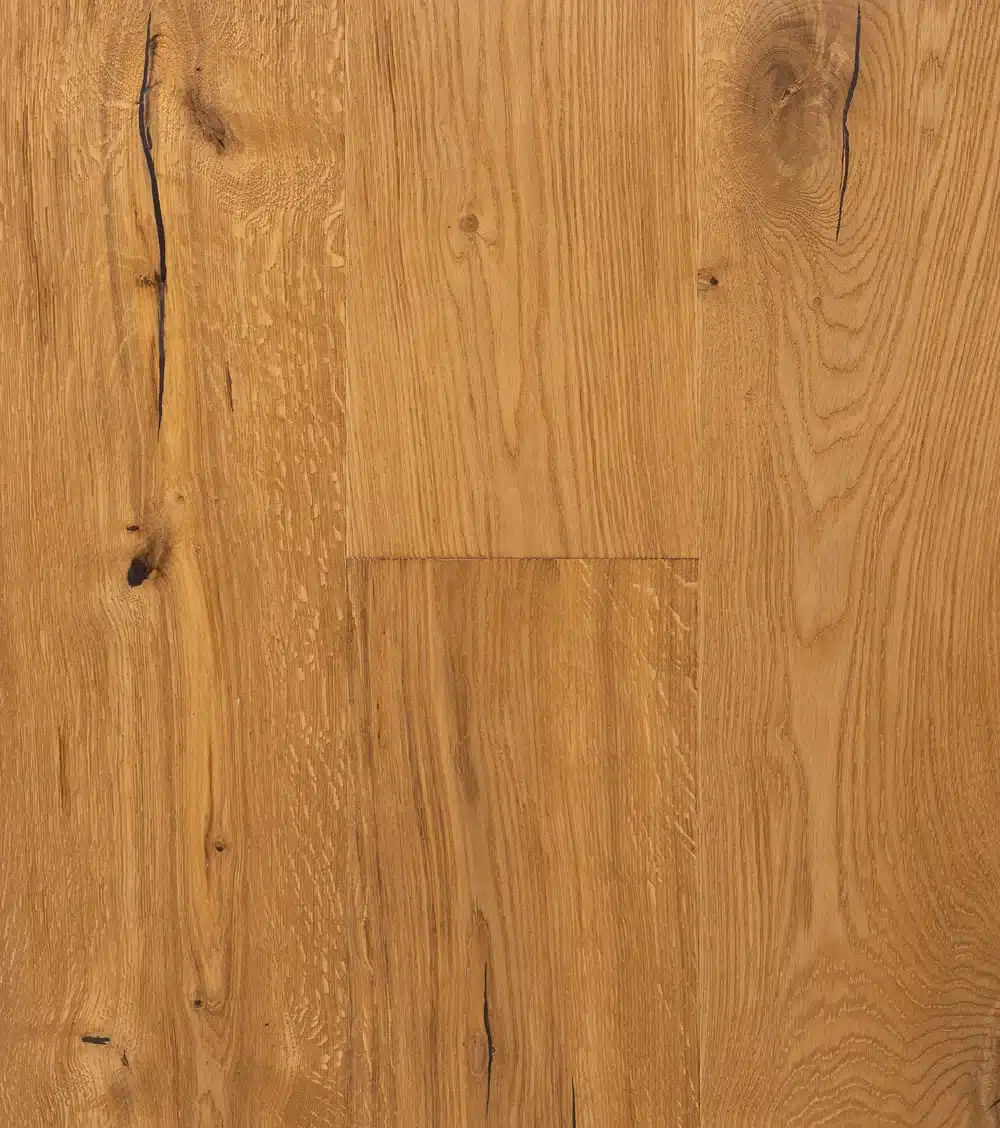
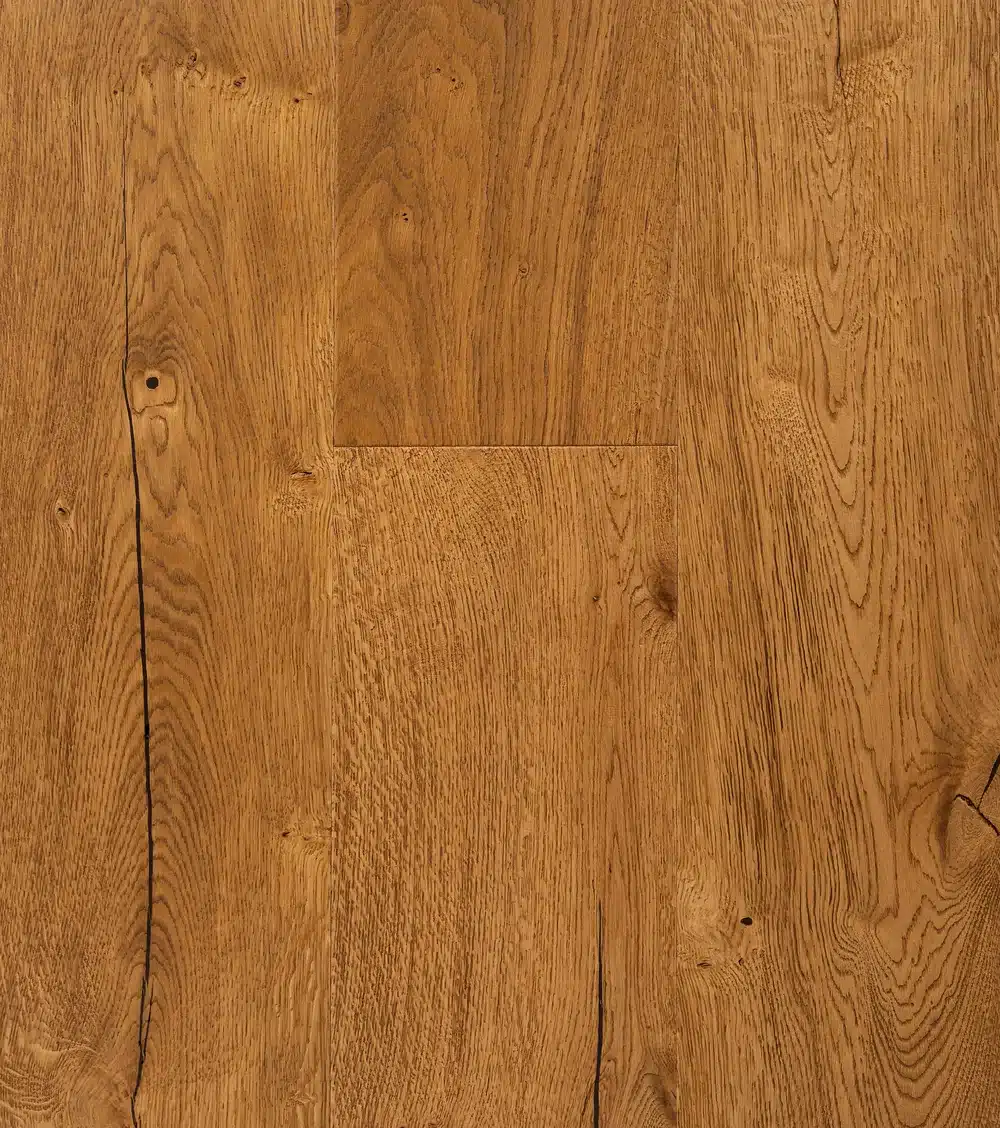
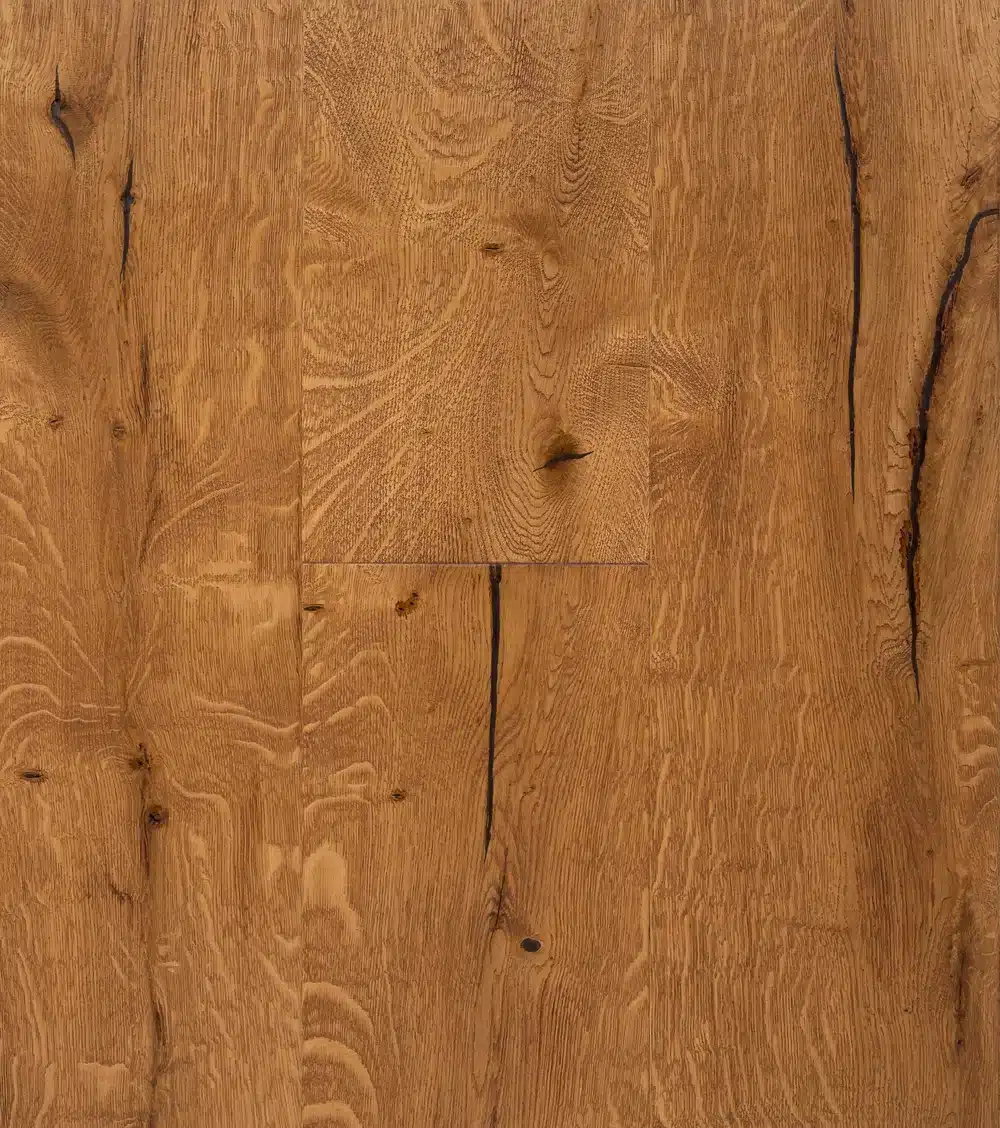
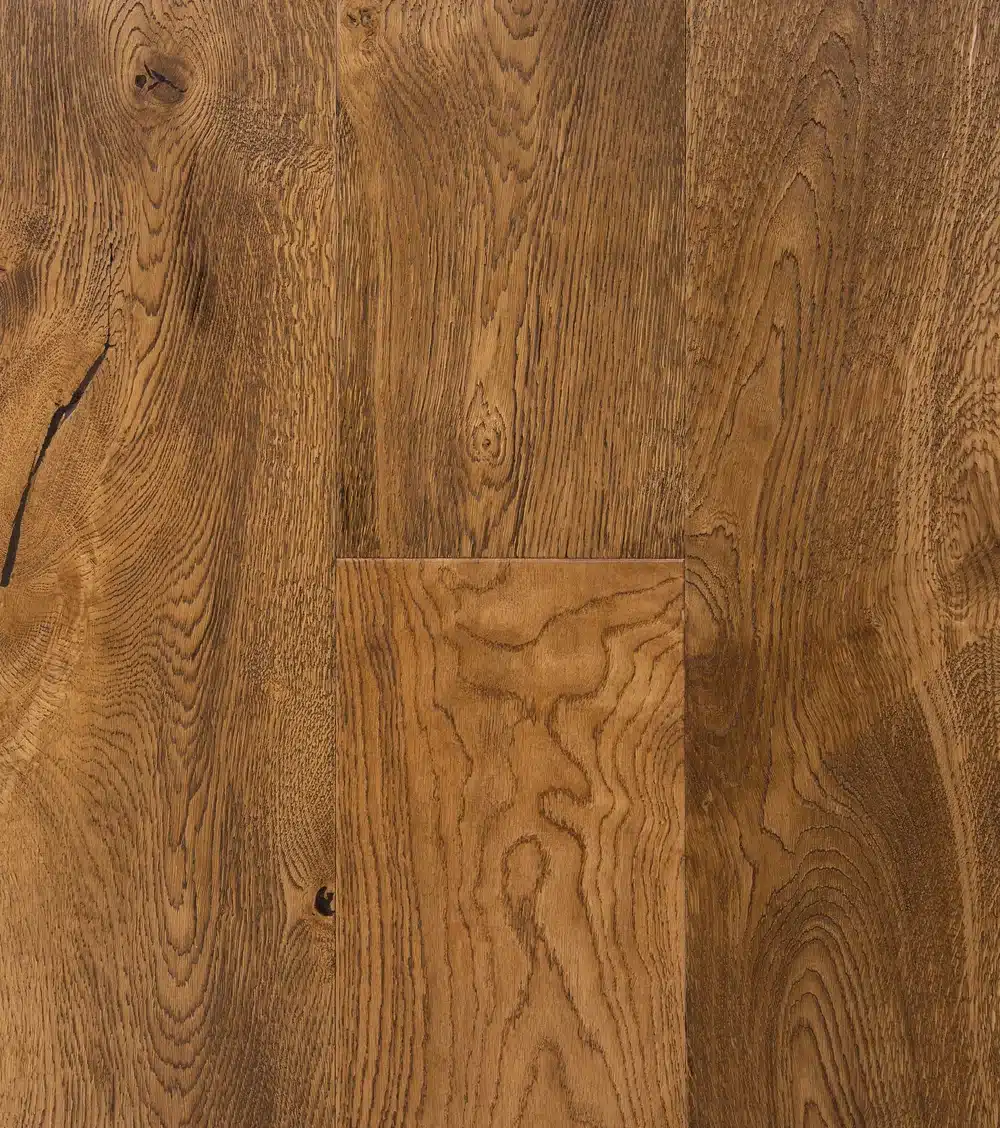
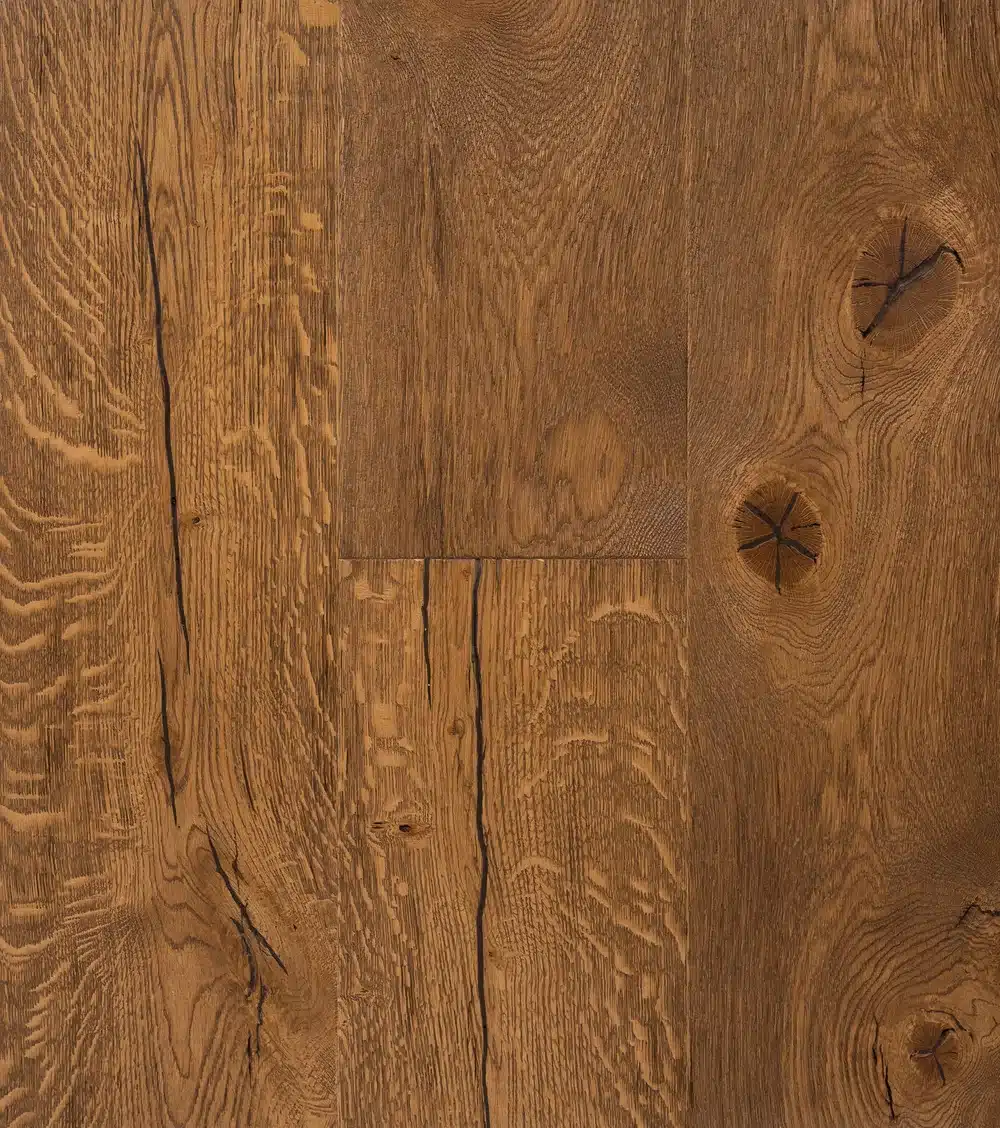
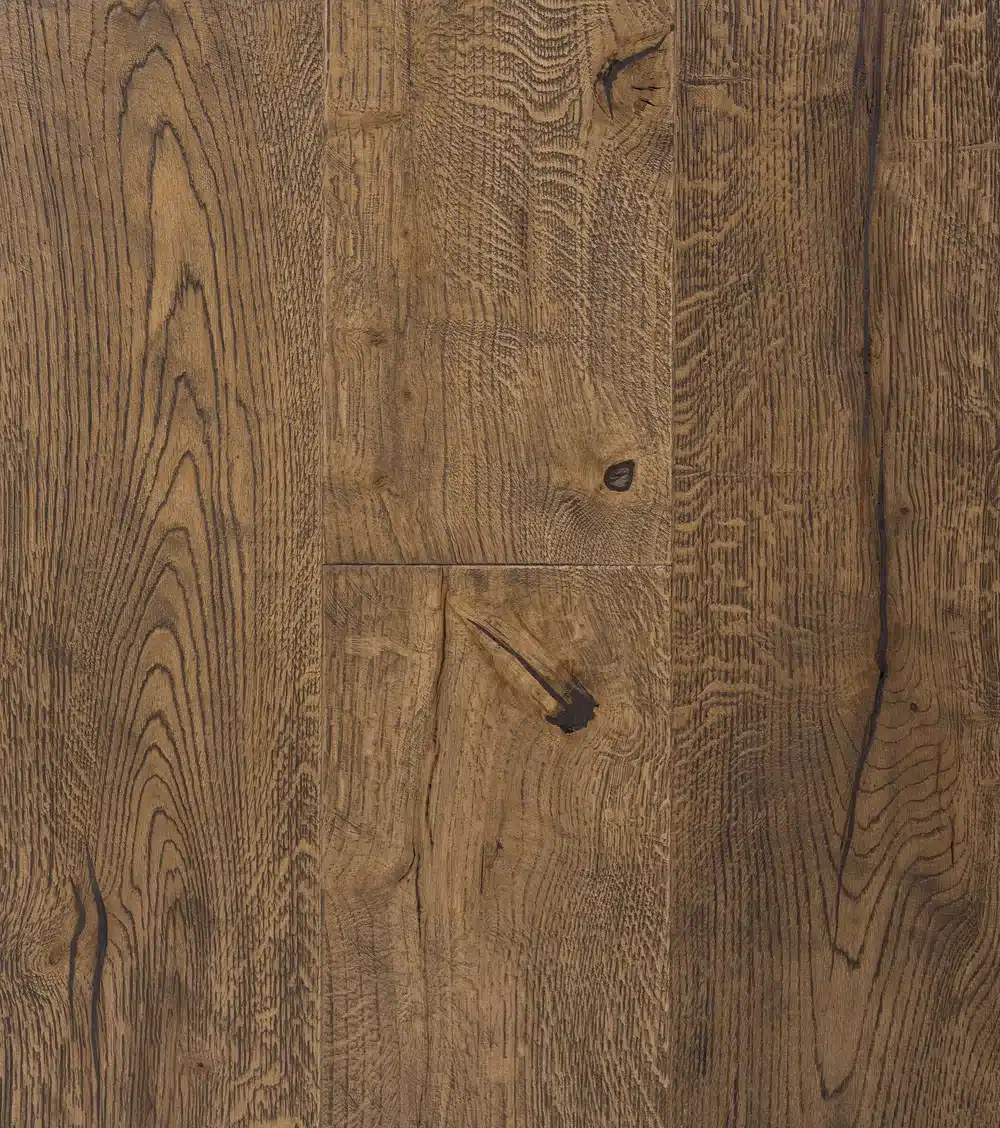
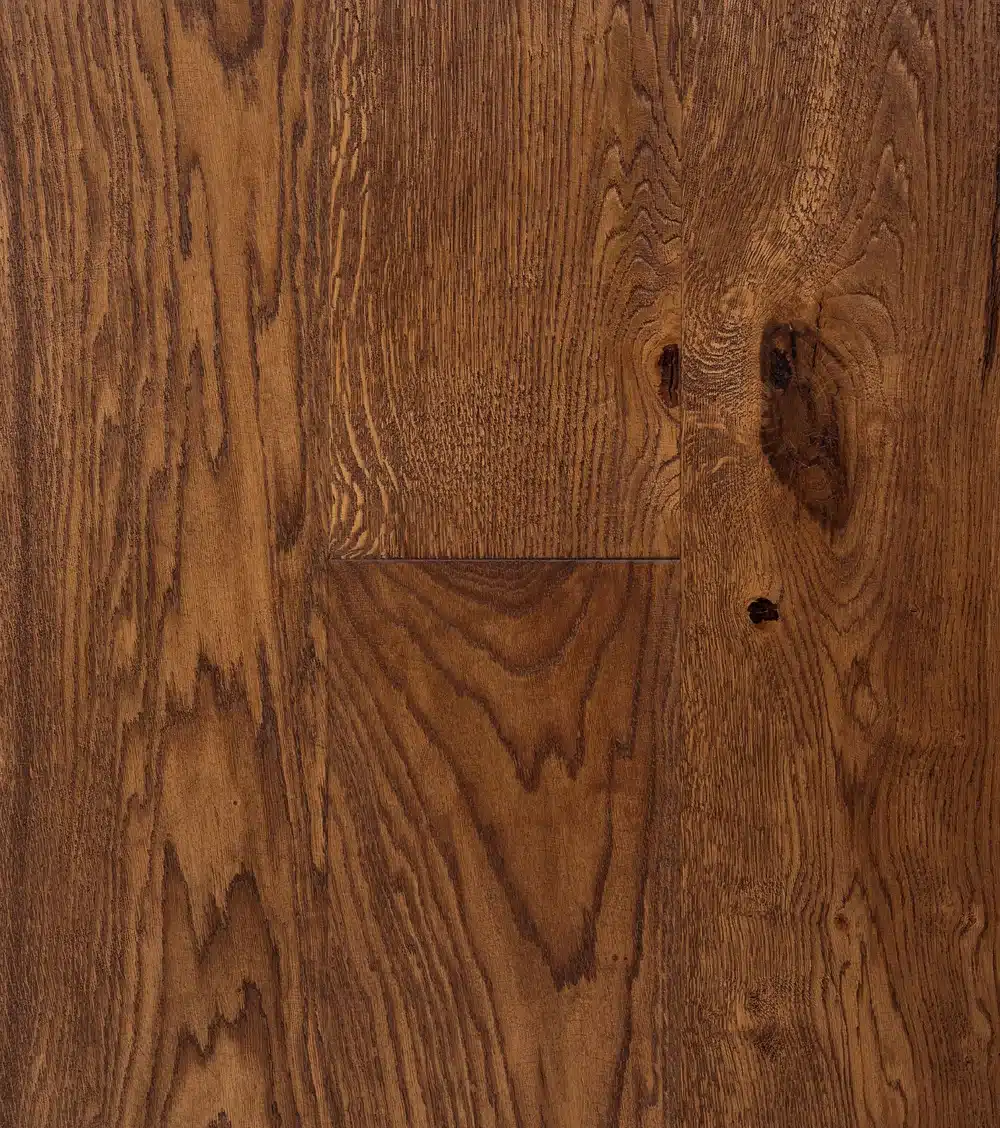
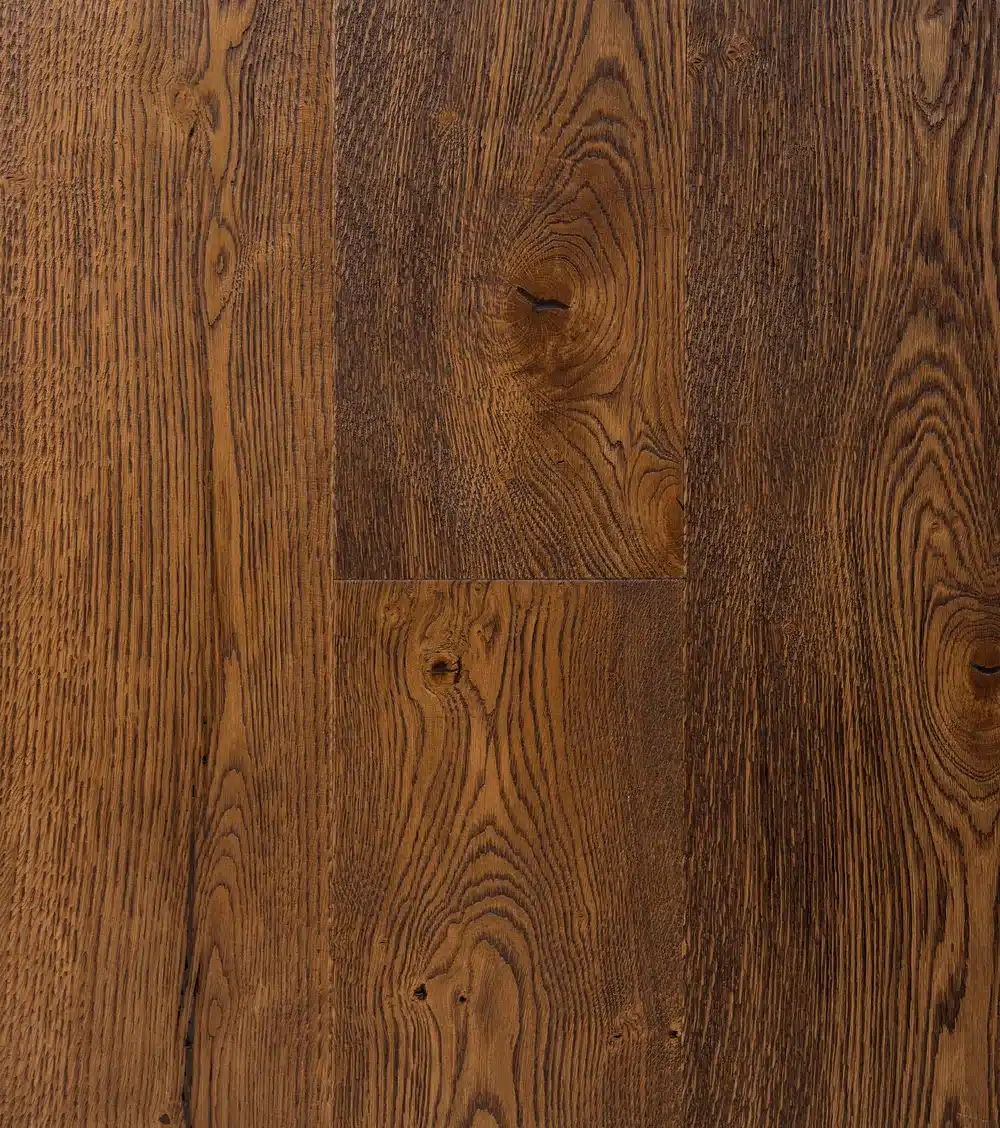
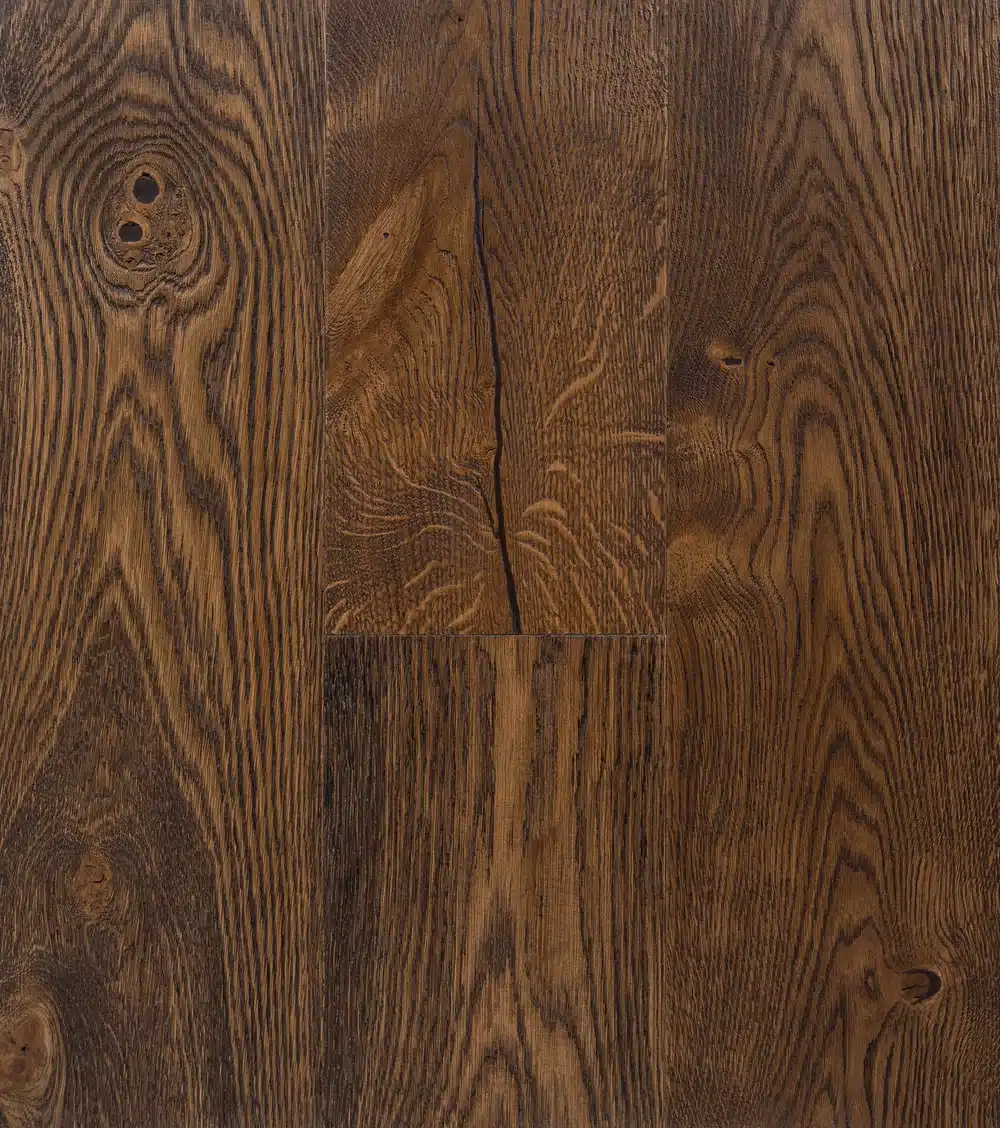
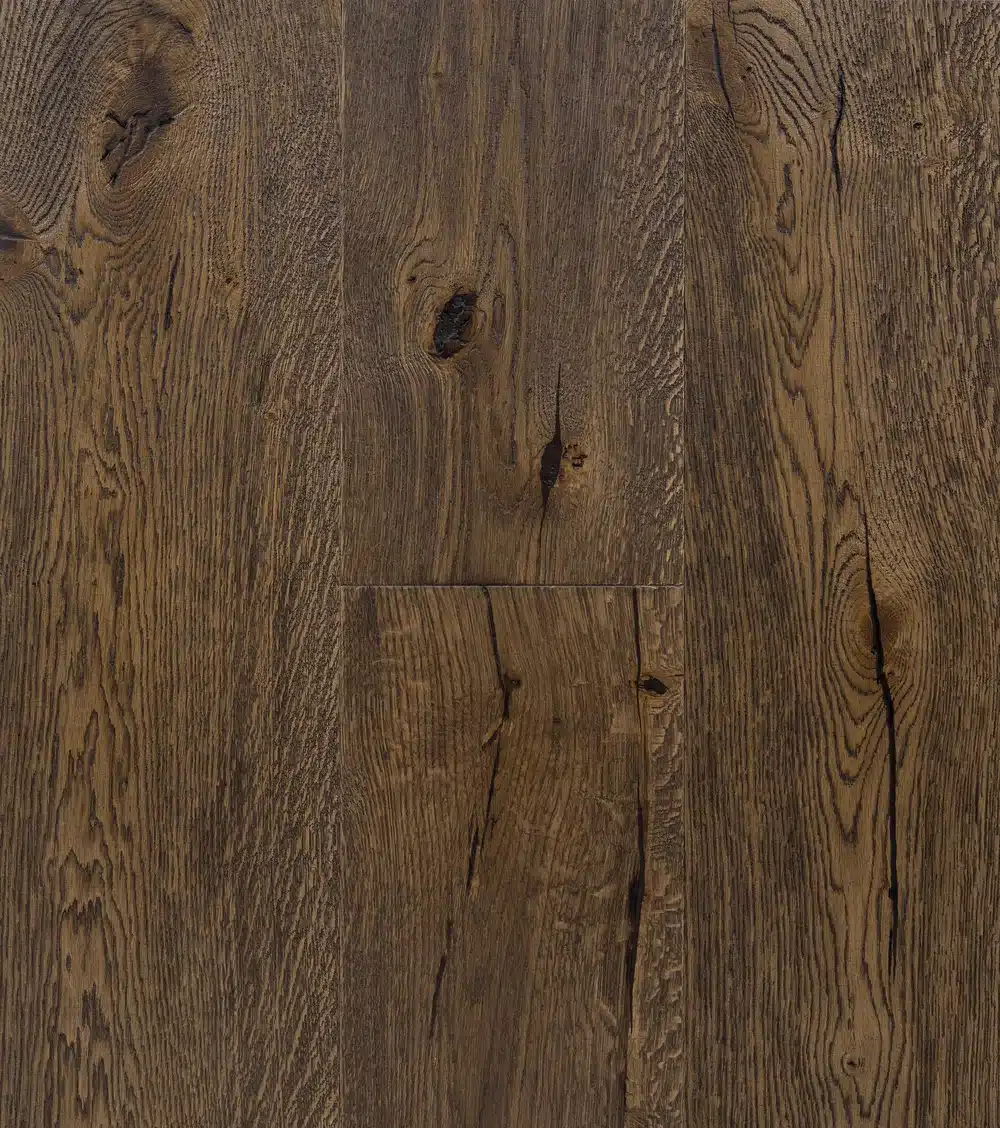
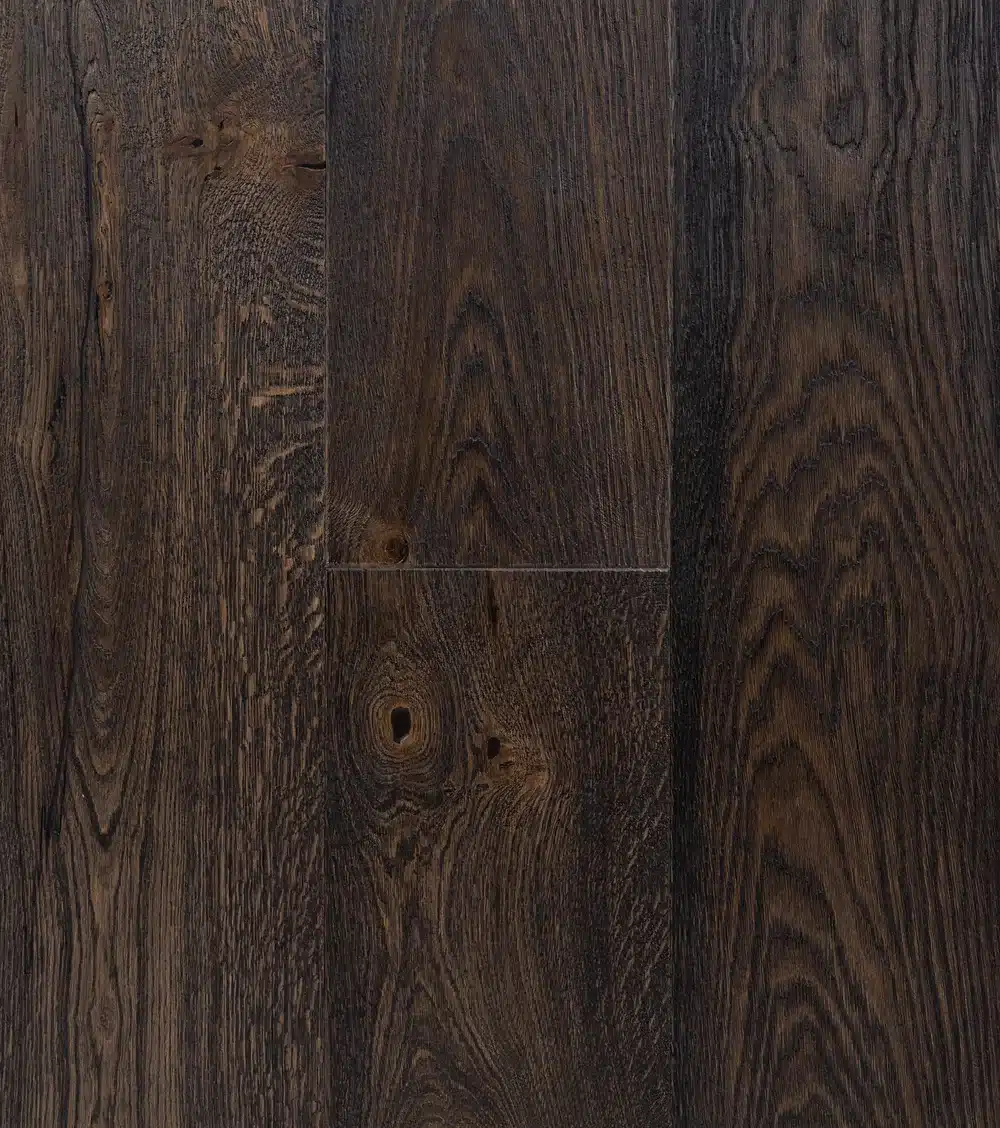
PLEASE NOTE WHEN ORDERING SAMPLES, THAT WOOD IS A NATURAL PRODUCT WITH VARIATIONS IN GRAIN, SAP CONTENT, COLOUR TONE AND TEXTURE. SAMPLES SHOULD ONLY BE TAKEN AS A GUIDE TO THE FINAL PRODUCT.
Engineered Oak Country Collection: Features and Benefits
Engineered oak planks combine a genuine hardwood surface with the stability and versatility that makes them suitable for almost any room in the home. The grade you choose determines the character and appearance of the timber surface.
Engineered Wood
- European oak top layer
- Compatible with underfloor heating
- More stable than solid wood in changing conditions
- Can be sanded and refinished
- Suitable for all rooms
Need Help Choosing the right flooring?
We created a comprehensive guide on everything you need to know about choosing the right flooring material, wood grade, and flooring pattern for your project.
FREQUently asked questions
- Regularly sweep and vacuum the floor to remove abrasive grit and prevent dust build-up (make sure to use hardwood flooring attachments on the vacuum cleaner)
- Use protective pads or rubber castors under wheels and furniture feet
- Use barrier mats inside of all external doorways, to help trap dirt, grit and abrasives
- Never leave any liquids sitting on the floor for any period of time – mop any spillages up straight away
- Mops! Many people think you can’t use a mop on wooden flooring, and you must dry-wipe it with a cloth, or just dust it. The truth is in fact the opposite! You should always use a mop (wrung out so it is no longer dripping) and a bucket with warm water, and most importantly, use a floor cleaning solution that is designed for oiled wooden flooring. This will help protect the finish, will not damage or dull the oil, and most importantly, it will clean the floor! Wood is no different than any other floor – it still needs cleaning to prevent bacteria and dirt from building up. We recommend a cleaning product brand called Bona, and we definitely say no to steam mopping, as it forces moisture into the wood.
- Next, think of the floor as a car. It needs to be cared for and maintained to ensure it will stay looking beautiful for generations. You need to top up the oil in a car, and you need to do the same for a wooden floor. Over the years, people will walk over the planks, drag furniture, it will get used exactly as a floor should be. And that’s fine, but of course the top layer of Hardwax oil will eventually wear down. So, depending on the traffic, most areas will need a good clean after three/four years, and then a coat of Hardwax oil worked back into the wood. It is very simple to do, with no need for machinery and the floor can be walked on again after 4-6 hours. So, do it before bed, go to sleep, wake up, and voila! A lovely re-coated floor that is now protected again for a few years.
- Keep the room temperature between 18 and 24 degrees Celsius and the relative humidity between 45 and 60%. This will ensure the flooring is kept at a temperature ideal for wooden flooring, and it will minimise the risk of swelling, expansion or creaking.
- Lastly, you do not need to walk on eggshells – if you manage to scratch or dent the floor, it can be repaired with some TLC and Hardwax Oil.
- Love your floor <3
You would need to use a 20mm floor if the new planks will be nailed directly to exposed joists. If you have a concrete or screed sub-floor, existing flooring such as wood or tiles, it means there is already a structurally sound floor already down, so you can use the 15mm version. Most clients will choose a 15mm floor, it is cheaper, works well with underfloor heating systems, and it still boasts a good chunk of solid wood!
There really is no reason to have one or the other, it is simply down to what you like. Prime AB grade arguably looks slightly more modern, as it has a cleaner and more even appearance. But Rustic grade does not necessarily look ‘old’ – it simply has more knots and grain variation; natural looking! Our Antique range is another story – it is distressed by hand and is made to look old – so many choices!
The majority of our clients opt for a Rustic grade, simply because it is the most natural looking. Prime AB can actually look a bit too clean, with less natural variation giving a look that can be a bit plain. No grade is longer-lasting or wears better than the other either, so the choice is yours 🙂
So, your flooring is looking a bit worn and tired, should you get it sanded right back down to the bare wood, and refinish it? The answer is almost certainly no. If the flooring is looking lacklustre and tired, normally all that has happened is that the top layer of Hardwax Oil has worn away with the years of feet, paws and general life! Give the floor a really good clean using a Bona (or similar) floor cleaning solution, let it air dry, then work some more Hardwax Oil into the planks, remembering to give it a stir first. The best thing to use is either a rag or a paint pad (the ones with a handle work best). Wipe the oil in the direction of the grain following the length of the plank. Do not rub it, or use circular motions, as this can cause an uneven appearance during drying.
If some areas are very worn, and you think they may benefit from a bit of a rub down, you can use a very light grit sandpaper (120) to gently work some of the remaining finish and ground-in dirt off, before hoovering, cleaning and then finally re-oiling. And don’t forget, if you’re not sure about the condition of your flooring, and would like some advice, feel free to send a photo of the area to info@ukwoodfloors.co.uk and we’ll be more than happy to help!